


We're one of the world's biggest consumers of antibiotics — and we're paying a dangerous price for it.
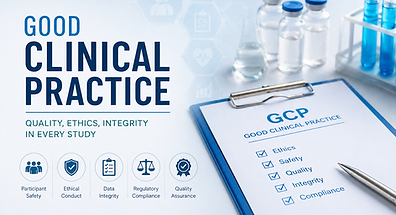
Good Clinical Practice (GCP) is an internationally recognised ethical and scientific quality standard

Most of us collect our medicines, pay the bill, and walk away. VaidyaRx's Know Your Prescription feature is changing that — one prescription at a time

Every patient visit, prescription, lab result, diagnosis, insurance claim, and treatment outcome creates information that can be used to improve healthcare delivery

Smart Diagnostic Reports can transform the healthcare experience. By combining technology, automation, and patient-friendly explanation

Second Opinion feature helps patients seek expert medical review of their diagnosis, prescriptions, treatment plans

Difference between generic and branded medicines is important because it helps patients make informed healthcare decisions
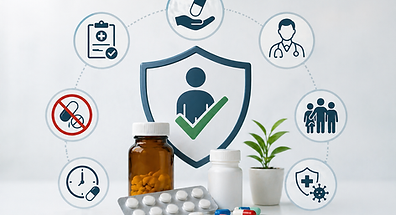
Patients receive the right medicine, in the right dose, for the right duration, and at the right cost.

Clinical research is the process of studying medicines, medical devices, treatments, and healthcare interventions in humans

Self-medication may seem convenient, it can be risky. Taking medicines without proper medical guidance may hide serious illnesses

A smart and secure way to store, organize, and access health records
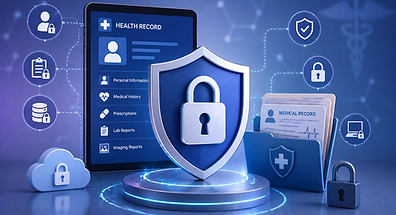
Medical information is among the most private forms of personal data

Lifestyle diseases have rapidly emerged as one of the biggest public health challenges in the country

Stopping medicines before the prescribed duration can be risky and may prevent complete recovery

Improve prescription accuracy, reduce medication errors, and create a better experience

Telemedicine is improving convenience, expanding access, reducing delays, and helping patients receive timely medical guidance

Illegible prescriptions are more than just an inconvenience, they are a significant patient safety risk.
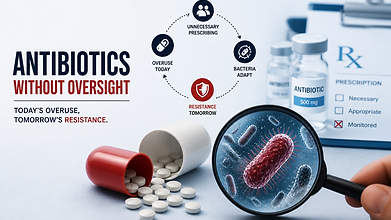
Antibiotics have transformed modern medicine, making once life-threatening infections easily treatable

Prescription errors are more common than many people realize, but the good news is that many of them are preventable

From booking appointments to tracking medicines and reviewing reports, mobile health apps are making healthcare more convenient

From digital records to artificial intelligence, technology is making healthcare safer, faster, and more accurate.

Once written, it moves from the doctor to the pharmacist, where accurate interpretation becomes critical

Every prescription is more than just a treatment plan, it is a data point. It reflects clinical decisions, patient conditions, and medication choices.

Hospitals and healthcare facilities often face overcrowding, long waiting times, and pressure on medical resources

Artificial Intelligence (AI) is rapidly changing the healthcare industry by making medical services faster, smarter, and more efficient

Digital health is helping improve healthcare access in rural areas where hospitals, specialists, and advanced medical facilities are often limited.

Healthcare is becoming more digital because patients today expect faster, easier, and more convenient medical services

Remote healthcare monitoring is changing the way patients receive medical care by allowing doctors to track health conditions without requiring frequent hospital visits.

Good Clinical Practice (GCP) is an international ethical and scientific standard followed during clinical research and clinical trials

AI has the potential to significantly reduce healthcare costs by improving efficiency across hospitals, clinics, and healthcare systems

With the internet and social media providing instant health information, many people try to diagnose their symptoms on their own.
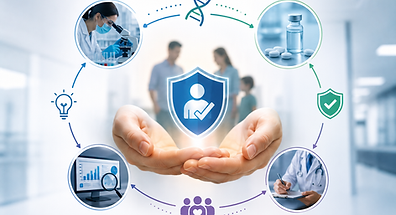
Medical research plays an important role in improving patient safety by helping doctors and scientists understand diseases, medicines, and treatments better

While medicines are designed to treat diseases and improve health, some people may experience mild or serious reactions depending on the medicine

Once a doctor prescribes medication, the responsibility shifts to the pharmacy to interpret, verify, and dispense it accurately

Even minor prescription errors, such as incorrect dosage, frequency, or drug name, can have serious consequences for patient safety

Antimicrobial resistance (AMR) is emerging as one of the most serious challenges in modern healthcare.

STG play a crucial role in ensuring that patients receive consistent, evidence-based care regardless of where or by whom they are treated

Individuals consult multiple specialists or manage several diseases simultaneously, the number of prescribed drugs tends to increase

OPDs handle a large number of patients every day. With limited time per consultation, doctors are often required to make quick decisions

Wearable devices such as smart watches, fitness bands, and health trackers are becoming an important part of modern healthcare

Personalized medicine is changing the future of healthcare by focusing on treatments tailored to each individual patient
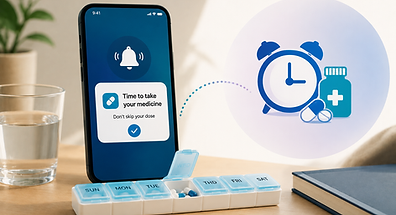
Taking medicines at the correct time and in the right dosage is an important part of successful treatment

Clinical research is rapidly evolving with the help of digital technologies. Traditional clinical trials often involve large amounts of paperwork

Healthcare decisions can sometimes be complex, especially when dealing with serious illnesses, surgeries, long-term treatments, or unclear diagnoses

Technology is playing a major role in improving patient safety by reducing medical errors, improving communication, and supporting better healthcare decisions

Artificial Intelligence (AI) is becoming one of the biggest growth drivers for healthcare startups